

- Home
- Post Single Template
Red Sandalwood as an Investment: A Long-Term Opportunity with High Potential
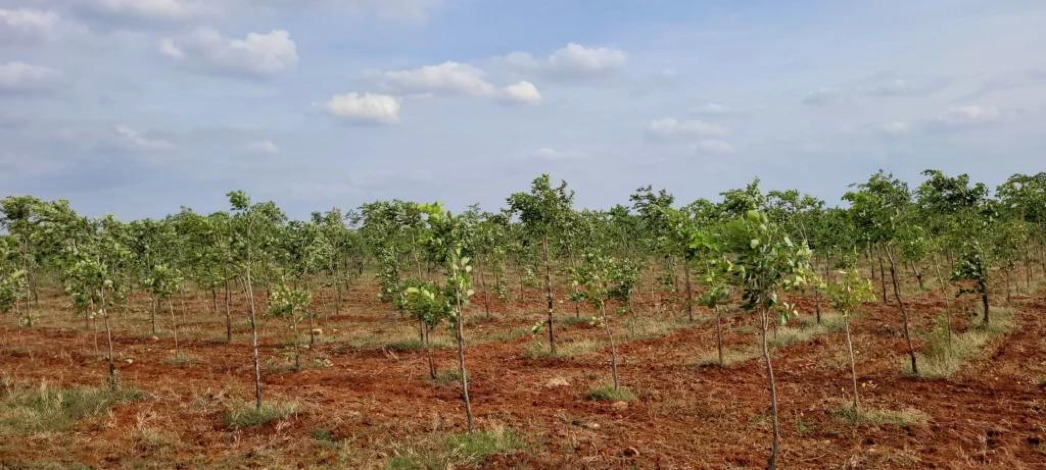
In the world of alternative investments, red sandalwood (Rakta Chandan) has steadily gained attention for its rarity, high value, and long-term wealth potential. Native to parts of South India—particularly Andhra Pradesh—this precious wood has been prized for centuries across global markets. Today, it is being explored not just as a natural resource, but as a serious long-term investment avenue.
However, like any high-reward opportunity, red sandalwood comes with its own set of realities. Understanding both its potential and its risks is essential before considering it as part of your investment portfolio.
Why Red Sandalwood is Gaining Investor Interest
The primary reason behind the growing interest in red sandalwood is simple—high demand and limited supply. This rare wood is widely used in international markets such as China and Japan for luxury furniture, musical instruments, and decorative artifacts. It also finds applications in traditional medicine and cosmetics.
Because it grows only in specific climatic conditions and takes years to mature, supply remains limited. This demand-supply imbalance has historically supported strong price appreciation, making it attractive for long-term investors.
Understanding Its Value
Red sandalwood is considered one of the most valuable timbers in the world. Depending on quality, age, and heartwood content, prices can vary significantly. Premium-grade wood commands exceptionally high prices in global markets, particularly when exported through legal channels.
What makes it unique is that the real value lies in the heartwood, which develops slowly over time. The longer the tree matures, the greater the potential value—making patience a key factor in this investment.
The Importance of Time Horizon
One of the most critical aspects of investing in red sandalwood is its long gestation period.
Typically:
- Trees take 12 to 15 years to reach maturity
- Significant returns are realized only after full growth
- Early harvesting drastically reduces value
This makes red sandalwood a long-term investment, comparable to holding land for appreciation or building a retirement asset. It is not suited for those looking for quick or short-term gains.
Potential Returns: What to Expect
Red sandalwood is often marketed as a “high-return” investment—and while that can be true, it’s important to approach projections realistically.
Returns depend on multiple factors:
- Tree survival rate
- Soil and climatic conditions
- Quality of plantation management
- Legal harvesting and selling processes
In ideal conditions, mature plantations can generate multiple times the initial investment, especially when combined with land appreciation. However, returns are never guaranteed and can vary widely.
Legal Considerations: A Crucial Factor
Investing in red sandalwood is not as straightforward as traditional assets. It is a regulated species under Indian law, and this introduces certain responsibilities.
While cultivation on private land is permitted, the following are tightly controlled:
- Harvesting requires government permissions
- Transportation of wood must follow legal protocols
- Sale and export are regulated
Without proper compliance, even a well-grown plantation can become difficult to monetize. This makes legal clarity and documentation absolutely essential when considering such an investment.
Risks You Should Be Aware Of
Like any alternative asset, red sandalwood carries inherent risks that investors must evaluate carefully.
1. Long Lock-In Period
Your investment is tied up for over a decade, with no liquidity in between.
2. Regulatory Complexity
Strict laws mean you cannot freely sell or transport the wood without approvals.
3. Quality Variability
Not all trees produce premium-grade heartwood, which directly affects returns.
4. Security Concerns
Due to its high value, red sandalwood plantations may require strong security measures.
5. Misleading Investment Schemes
Some projects promise unrealistic or guaranteed returns, which should always be approached with caution.
Managed Plantations: A Practical Approach
To address the complexities involved, many investors today prefer managed red sandalwood plantations.
These typically include:
- Professional cultivation and maintenance
- Legal compliance support
- Assistance with harvesting and sale
While this approach reduces operational hassle and risk, it is important to evaluate the credibility of the developer or operator before investing.
Who Should Consider This Investment?
Red sandalwood is best suited for:
- Long-term investors with a 10–15 year horizon
- Individuals looking to diversify beyond traditional assets
- Investors comfortable with regulatory processes
- Those seeking high-value, alternative investment options
Who Should Avoid It?
This investment may not be ideal for:
- Short-term or liquidity-focused investors
- First-time investors without proper guidance
- Individuals expecting guaranteed or quick returns
Final Thoughts
Red sandalwood represents a unique category of investment—a biological asset that grows in value over time. Its rarity, global demand, and high-value potential make it an attractive option for those willing to take a long-term view.
However, success in this space depends heavily on:
- Choosing the right project
- Ensuring legal compliance
- Having realistic expectations
- Partnering with credible and transparent advisors
When approached thoughtfully, red sandalwood can complement a diversified portfolio and serve as a powerful long-term wealth creation tool.
At Property 27, we believe in guiding our clients toward investments that align not just with market trends, but with long-term value and peace of mind—because the right investment, much like the right home, should grow with you over time.

Recent Posts
Red Sandalwood as an Investment: A Long-Term Opportunity with High Potential

Why Property27.in is Set to Become the Most Reliable Channel Partner in Real Estate